If you own a home in Greenville NC, you depend on your roof to keep out wind and rain. But your roof does not work alone. Your gutters, soffits, and fascia move water away and protect the edges of your home.
When one of these parts fails, your home can start to rot, stain, or leak. That is when many homeowners start to look into gutter soffit and fascia replacement Greenville NC companies offer.
This simple guide explains what each part does, how to spot trouble, and what to expect when you call Steven Drywall and Home Repair.
What Gutter, Soffit, and Fascia Replacement Is and Why It Matters in Greenville NC
These three pieces sit where your roof meets your walls:
Gutters catch rain and carry it away from your home.
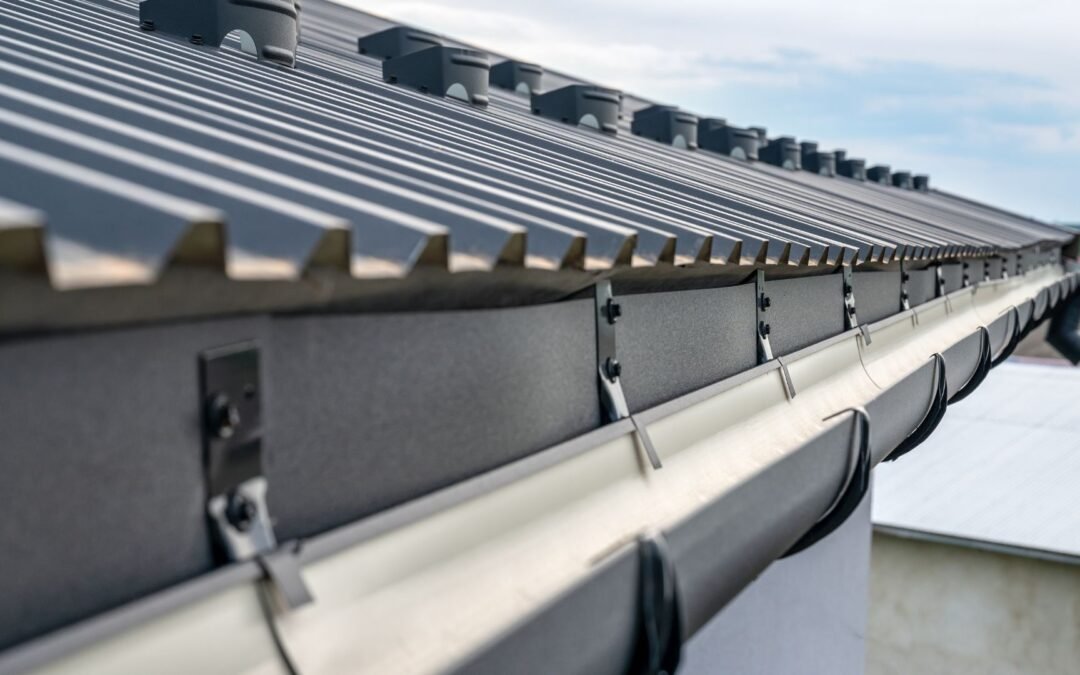
Fascia is the long board along the roof edge. Gutters attach to it.
Soffits are the panels under the roof overhang. They often have vents to let your attic breathe.
In Greenville and nearby towns like Winterville and Ayden, heavy rain, storms, and humidity are hard on wood and metal. Over time, paint peels, wood rots, and gutters sag. Replacement means removing damaged parts and installing new ones so water flows the right way again and the roof edge stays solid.
Common Problems Homeowners See (Plain-Language Signs)
You can often spot early signs from the ground. Watch for:
Gutters that sag, lean, or pull away from the house.
Water pouring over the sides during a storm.
Peeling paint or dark stains along the roofline.
Soft or crumbly wood when you press the fascia.
Cracked or missing soffit panels.
Birds, squirrels, or wasps getting into gaps near the roof.
After a strong summer storm in Greenville or Winterville, gutters may overflow once. If it happens again and again, it is time to call a pro.
What Happens If You Ignore the Problem
Small problems at the roof edge can grow fast and spread.
When gutters do not work and fascia or soffits are weak, water runs down walls and soaks into wood and soil. This can lead to rot, mold, cracks, and a worn, run-down look from the street.
Fixing issues early almost always costs less than waiting until you see major damage, like sagging roof edges or soft spots inside your home.
Repair vs. Replacement: How to Decide
Not every problem means you need a full tear-out. Sometimes a small repair is enough. Other times, replacement is the smart move.
Use these simple rules of thumb:
Repair if damage is in one small area, or one joint leaks but gutters are straight and strong.
Replace if gutters are old, rusty, and sagging in many spots.
Replace if fascia or soffits are soft or rotted along long sections.
Replace if you keep calling for the same repairs year after year.
A local contractor like Steven Drywall and Home Repair can walk around your home, show you photos, and help you choose the best option.
Local Factors in Greenville NC That Affect Gutters, Soffits, and Fascia
Greenville and nearby towns like Winterville, Ayden, and Simpson have weather and home styles that affect how long your gutters, soffits, and fascia last.
Here are a few local factors:
Heavy rain and storms. Tropical systems and summer downpours hit fast and hard.
Humidity and heat. Moist air and strong sun break down old paint and caulk.
Trees near the roof. Leaves and pine needles clog gutters and hold moisture.
Older trim. Many homes near ECU and in older parts of town still have aging wood.
Because of these factors, it is smart to give your roof edges a quick visual check a few times a year, especially after big storms.
What to Expect When You Call Steven Drywall and Home Repair
Calling for help should feel simple, not stressful. Here is what you can expect when you contact Steven Drywall and Home Repair for gutter, soffit, and fascia replacement in Greenville NC:
Quick call or online request. You share what you are seeing and where you live.
On-site inspection. Our team looks at the gutters, soffits, fascia, and roof edge around your home.
Clear written estimate. We explain what we found and give you a simple, written price.
Scheduled work. Once you approve, we set a day and show up on time.
Clean installation and walkthrough. We replace damaged parts, check water flow, clean up, and review the work with you.
Our goal is to keep you informed at every step so there are no surprises.
How Steven Drywall and Home Repair Helps Homeowners in Greenville NC
Steven Drywall and Home Repair is a local company that works on homes in Greenville, Winterville, and nearby areas. We understand the common problems we see with gutters, soffits, and fascia in eastern North Carolina.
Here is how we serve our neighbors:
Honest advice on repair versus replacement.
Clear pricing before work starts.
Quality materials suited to our local weather.
Respect for your yard, driveway, and home.
Licensed and insured for the work we do.
When the edges of your roof start to fail, you need a team you can trust around your home and family. That is what we aim to be.
Frequently Asked Questions
How do I know if I need gutter soffit and fascia replacement in Greenville NC?
Look for sagging gutters, peeling paint, stains, or soft wood along the roofline. If you see more than one of these signs, it is time to schedule an inspection.
Can I replace just one section, or do I need the whole house done?
Sometimes we can replace just one bad section. If damage is spread out or the materials are very old, full replacement may be a better, longer-lasting fix for your Greenville home.
How long does gutter, soffit, and fascia replacement take?
Most jobs on an average home in Greenville or Winterville take about one to two days. Larger homes or homes with heavy damage can take longer.
Will new gutters, soffits, and fascia help protect my foundation?
Yes. When gutters work and roof edges are solid, water is moved away from your home. This lowers the chance of water pooling by your foundation and causing cracks over time.
Do you offer free estimates in Greenville NC and nearby areas?
Yes. Steven Drywall and Home Repair offers free, no-pressure estimates for gutter, soffit, and fascia repair or replacement in Greenville NC and nearby towns like Winterville and Ayden.
Ready for Help with Gutter Soffit and Fascia Replacement in Greenville NC?
If you wait, small leaks and soft spots around your roofline can turn into major damage and higher repair bills. Your home may also lose curb appeal and feel less safe when storms roll through.
When you fix the problem now, you protect your roof, siding, and foundation and gain peace of mind every time it rains. Your home will also look cleaner and more cared for.
If you are seeing signs of trouble, reach out to Steven Drywall and Home Repair today. Call or request a quote online for gutter soffit and fascia replacement Greenville NC homeowners can count on to protect their homes for years to come.
It’s that time of year again. THE HOLIDAYS!!! I love this time of year. The lights, the dinners, and getting ready for the family to visit. Let’s not forget the abundance of football games. In all the fun, it’s easy to forget about holiday roof safety.
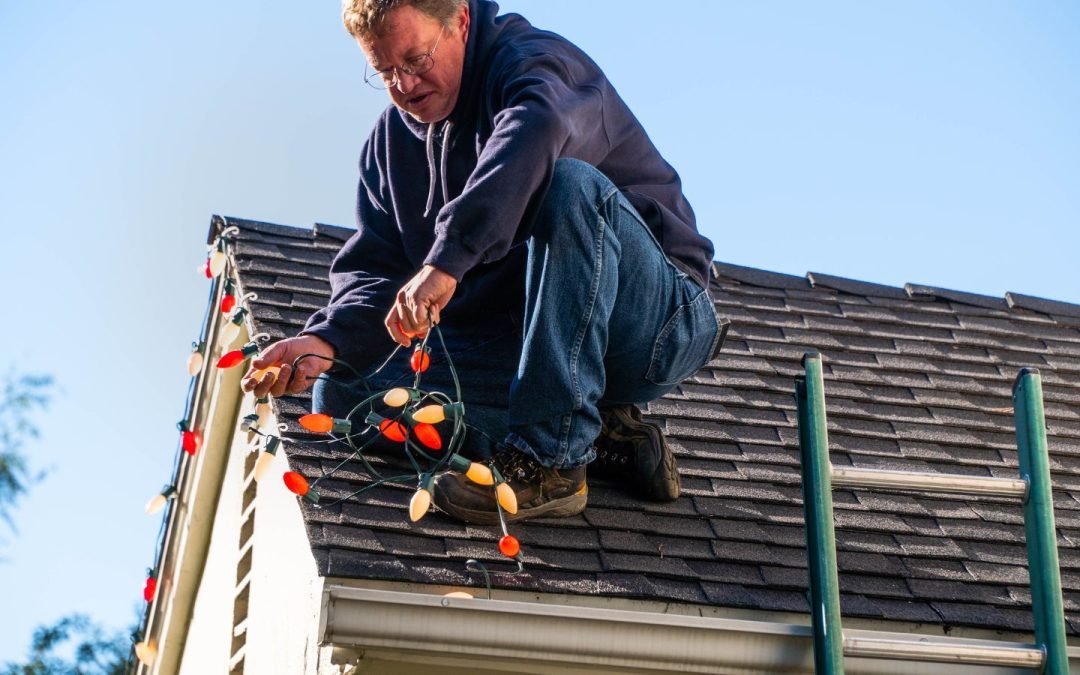
One small mistake on a ladder or on the roof can lead to a fall, broken shingles, or leaks right in the middle of the season. Thus, running your holiday cheers.
With a few simple steps, you can keep your roof, your gutters, and your family safe in Greenville, Winterville, Ayden, Grimesland, and across Pitt County.
1. Put Safety First Before You Climb
Before you climb a ladder in Greenville or anywhere in Eastern NC, pause and check a few things. Safety comes first. Decorations can wait.
Check this list:
Weather: Skip ladder work if it’s wet, icy, or very windy. Our area gets heavy rain and strong wind more often than snow.
Daylight: Do your decorating during the day. Don’t start a ladder project in the dark.
Help: Have a helper hold the ladder and pass you supplies.
Shoes: Wear shoes with good grip. No sandals, slick boots, dress shoes or crocks.
If something feels unsafe, it probably is. Step back, make a new plan, or call a pro.
2. Use Your Ladder the Safe Way
Many holiday injuries in Greenville happen on the ladder, not on the roof. A few simple rules can prevent a trip to the ECU Health ER.
Ladder safety tips:
Set the ladder on flat, solid ground, not mud, wet grass, or loose gravel.
Follow the 4-to-1 rule: for every 4 feet of ladder height, move the base 1 foot away from the wall.
Keep three points of contact at all times (two feet and one hand, or two hands and one foot).
Don’t lean or stretch to reach one more spot. Climb down and move the ladder instead.
Never let kids climb the ladder or play around it.
If your ladder is too short or feels wobbly, don’t risk it. This is a good time to call aGreenville NC roofing contractor or holiday light service to help.
3. Hang Holiday Lights Without Harming Your Roof
Holiday lights make Greenville neighborhoods look bright and cheerful. But the wrong hanging methods can hurt your roof, siding, or gutters.
Skip these methods:
Nails or screws in shingles, trim, or fascia
Staples through light wires
Sharp metal hooks that dig into the roof
Running cords where people walk or where cars drive
Try this instead:
Use plastic light clips that hook onto gutters or shingles without making holes.
Hang lights along the edges of the roof, gutters, and porch, so you don’t need to walk on the roof.
Use outdoor-rated lights and extension cords.
Plug lights into GFCI outlets and don’t overload one circuit.
Keep cords away from standing water and wet spots.
Quick story
Last year, we put up our holiday lights and added our two Bluey and Bingo inflatables. The front of our house looked amazing. But we made one mistake—the extension cord was just lying on the ground. That night, we got the usual heavy Eastern NC rain. The next day, nothing would turn on. I couldn’t figure out why until I saw the extension cord sitting in a puddle of water. The water caused a short and tripped the breaker. Thankfully, it was an easy fix, but it was a good reminder to keep cords up and away from standing water.
If hanging lights means walking all over your roof, it’s better to adjust your decor or hire a pro from a roofing company Greenville NC homeowners trust.
4. Keep Big Decorations Off the Roof
Large inflatables and heavy decorations look fun but can be rough on your roof.
They can:
Add too much weight to shingles
Block water from draining the right way
Catch strong winter winds and tug on gutters or fascia
Trap leaves and pine needles, leading to clogs
Better spots for big holiday décor:
Front yard or side yard
Porch and steps
Along a fence
On stakes in the ground around your walkway
You still get a festive look for your Greenville or Winterville home without risking roof damage.
5. Don’t Forget Your Gutters
In fall and early winter, leaves and pine needles from trees in Greenville, Ayden, and Grimesland can fill your gutters fast. Clogged gutters are a major cause of roof leaks in Eastern NC.
When gutters are full, water can:
Back up under shingles
Rot your fascia boards
Spill over and soak your siding and foundation
Before or during the holidays:
Scoop out leaves, twigs, and debris.
Make sure downspouts send water away from your home.
While you’re outside hanging lights or cleaning gutters, take a quick look at your roof. You might spot early warning signs before they turn into big problems.
Look for:
Missing, cracked, or curling shingles
Dark streaks or stains on the roof
Sagging or pulling gutters
Soft or spongy spots near the roof edge
Water stains on ceilings or walls inside your home
If you see these signs and you live in Greenville, Winterville, Ayden, Grimesland, or anywhere in Pitt County, don’t wait. Heavy rain and strong winter winds in Eastern NC can make small issues much worse.
7. When to Call a Greenville NC Roofing Contractor
Sometimes the safest choice is to stay off the roof and call a professional. A local roofing company Greenville NC homeowners trust can handle risky work for you.
You should call a pro if:
Your roof is steep or very high
Your shingles look old, worn, or brittle
You’ve had leaks or storm damage in the past
You don’t feel steady on ladders
You’re not sure what you’re seeing on the roof
A Greenville NC roofing contractor like Steven Drywall & Home Repair can:
Inspect your roof before winter storms
Fix small problems before they turn into major leaks
Check gutters, flashing, and problem areas
Give tips on safe decorating and roof care
Help you plan repairs or a future replacement if needed
8. Schedule Your Holiday Roof Check in Greenville, NC
Want peace of mind before the next big rain or windstorm? A simple holiday roof inspection can help you relax and enjoy the season.
If you live in Greenville, Winterville, Ayden, Grimesland, or anywhere in Pitt County, Steven Drywall & Home Repair can:
Check for loose, missing, or damaged shingles
Look for early signs of leaks inside and out
Clean and secure gutters and downspouts
Make sure your roof can handle lights and light décor safely
Call Steven Drywall & Home Repair at (252) 414-9542 or request a quote online to schedule a roof inspection Greenville NC homeowners can trust before the holidays.
About Steven Drywall & Home Repair
Steven Drywall & Home Repair is a local roofing and home repair company based near Greenville and Grimesland, NC. We serve homeowners across Greenville, Winterville, Ayden, Grimesland, and the rest of Pitt County and Eastern NC.
Our team helps with:
Roofing and roof repair
Roof inspections
Gutters and gutter cleaning
Siding repairs and updates
General home repair projects
Whether you need a quick fix, a seasonal roof check, or help after a storm, we’re here to keep your home safe and dry.
I am writing this as two hurricanes were supposed to make landfall…If you live in Greenville, NC, you know hurricanes and strong storms are part of life. If you are new to the area, hurricane season runs from June 1 to November 30.
You’re welcome!
That said, your roof is the first line of defense against wind, rain, and flying debris. If your roof is weak, even a small leak can quickly become a significant problem inside your home. A little prep now can save you thousands of dollars later.
This list can seem scary. Simply call us at … and we will give you the peace of mind you deserve.
1. Get a Roof Inspection Before Storm Season
Start with a professional roof inspection. A licensed roofer will check for:
Missing or loose shingles
Cracked or damaged flashing (the metal around vents and chimneys)
Weak spots in the roof deck
Signs of leaks in the attic
Bottom line: Fixing small problems now prevents them from becoming big leaks later.
2. Check Shingles and Flashing
Loose shingles or bent flashing can blow off in high winds. Ask your roofer to:
Nail down loose shingles
Replace broken or missing shingles
Seal flashing around vents, chimneys, and skylights
3. Reinforce Your Roof with Clips or Straps
Hurricane winds can lift a roof right off a house. Hurricane clips and straps tie the roof to the walls, making it much stronger. If your roof doesn’t have them, ask a contractor about adding them. It’s one of the best upgrades you can make.
4. Upgrade Your Underlayment
The underlayment (the layer under your shingles) is a backup shield. A high-quality underlayment or a waterproof barrier can stop leaks even if shingles blow away. This is a smart choice if you’re replacing your roof.
5. Clean Gutters and Drains
Clogged gutters cause water to back up and leak into your roof. Before hurricane season:
Clean out leaves, twigs, and dirt
Check that gutters are nailed in tightly
Make sure downspouts point water away from the house
6. Trim Trees and Clear Debris
One of the biggest dangers in a storm is falling branches. Trim trees near your house and remove any dead limbs. Also, move outdoor furniture, grills, or tools so they don’t blow onto your roof.
Architectural shingles (better wind resistance than basic shingles)
Metal roofing (very durable in hurricanes)
FORTIFIED roof systems (built to withstand extreme weather and may lower insurance costs)
8. Check Attic Ventilation and Pressure
A hot, stuffy attic puts pressure on your roof. Proper ventilation helps air flow and reduces the risk of roof damage during storms. Have your roofer check your vents and insulation.
9. Take Photos for Insurance
Before storm season, take clear photos or videos of your roof and attic. If you ever need to file a claim, this proof makes the process much easier. Some insurance companies even give discounts for storm-resistant upgrades.
10. Keep Emergency Supplies Handy
Have these ready before hurricane season:
Heavy-duty tarps
Roofing nails and a hammer
Plywood sheets
Flashlights and batteries
If your roof leaks after a storm, a tarp can help keep out water until a roofer arrives.
What to Do After a Hurricane
Stay safe—don’t climb on the roof yourself
Check your roof from the ground
Look inside for water stains or leaks
Take photos of any damage
Call your insurance company and a licensed roofer right away
FAQs About Roof Prep in Greenville, NC
Q1: When should I prepare my roof for hurricane season? Start in spring or early summer, before storms are predicted.
Q2: Can I do the work myself? You can clean gutters and trim trees, but hire a roofer for inspections and repairs.
Q3: How long does a roof inspection take? Usually 1–2 hours, depending on the roof size.
Q4: Will my insurance cover roof damage from a hurricane? Most policies cover wind and rain, but check for a “named-storm deductible.”
Q5: What if I rent my home? Ask your landlord if the roof is storm-ready. Renters insurance covers your belongings, not the roof.Q6: How often should I replace my roof in NC? Most roofs last 20–25 years. If yours is older, it may be time to replace it before hurricane season.
If you’ve spent even one summer in Greenville, NC, you know our weather has a mind of its own – steamy humidity, surprise afternoon downpours, the occasional blustery system sweeping up from the coast, and just a hint of salt in the air after big storms. All that moisture, wind, and occasional salt exposure is tough on a home’s exterior. The right siding doesn’t just look good – it keeps moisture out, provides protection from the wind, and helps your home run more efficiently.
This post breaks down the best siding options available to handle our humid, storm‑prone, coastal homes realities best – so you can choose something beautiful, energy saving and built to last.
TL;DR: For most homes here, fiber cement siding leads for durability and weather resistance; coastal-grade vinyl siding balances cost and performance; engineered composites deliver a warm “wood” look without the wood headaches; and brick is the longevity champ if budget allows.
What Greenville weather throws at your siding
Humidity & moisture
Greenville sits squarely in a humid subtropical zone with hot, muggy summers and moderate, humid winters (Allura USA, WeatherSpark). Annual rainfall averages nearly 50 inches – August alone often brings heavy rain-focused thunderstorms (Wikipedia), meaning frequent wet/dry cycles. That’s all a recipe for mold, swelling, and rot – unless, of course, your siding and weather-barrier details are up to the task.
Wind & storms
We get our fair share of strong thunderstorms and the leftovers of tropical systems, for instance, Hurricane Floyd in 1999 flooded many homes overnight. Some residents even swam up to their doors to safety (James Hardie, Wikipedia). Siding must handle heavy rain and the occasional wind-driven water without warping, cracking, or letting water sneak in.
Salt air corrosion (a little, but not nothing)
We’re not right on the coast, but we’re close enough to the Inner Banks, that storm systems can carry in mild salt exposure. Setting up your home for long-term resilience means choosing materials built for coastal‑grade performance.
Top siding options for Greenville’s climate
Fiber Cement
Why people choose it: Durable and moisture-resistant, fiber cement is widely regarded as the best siding for humid coastal areas (Renoworks). A popular brand like James Hardie (Hardie Board) offers baked-on ColorPlus® finishes for fade resistance and regional performance via HardieZone® engineering (Wallcraft Exterior Solutions).
Durability: Excellent – resists mold, rot, pests, fire, and wind; 40 – 50+ year lifespan when installed and maintained properly. (Home Genius Exteriors, Southern Living).
Maintenance: Very low – usually just an occasional wash.
Local Fit: Perfect siding options – superior for our humid climate, storms, and minor salt-air. Worth the upfront cost for long-term peace of mind.
Vinyl (Coastal-Grade)
Why people choose it: Lightweight, affordable, low-maintenance. Coastal-grade vinyl is more rigid and offers better resistance to moisture and wind (Columbia Contracting LLC, Renoworks).
Durability: Good – can warp in extreme heat or crack in severe impact conditions (Renoworks, The Spruce).
Maintenance: Easy – simple cleaning does the trick.
Local Fit: A budget-friendly choice for homeowners looking for energy-saving siding options with decent moisture resistance. Just be sure to choose sturdier, coastal-rated panels.
Why people choose it: Mimics the natural look of wood but crafted to resist moisture, pests, and mold (Southern Living, Renoworks).
Durability: Better than traditional wood in our climate; benefits from requiring only occasional upkeep.
Maintenance: Moderately low – expect resealing or repainting every few years.
Local Fit: Homeowners who want a rich, classic “wood” look but need a long-lasting quality installation.
Brick / Masonry
Why people choose it: Exceptionally durable, fire-resistant, and virtually maintenance-free (Renoworks, Southern Living).
Durability: Outstanding – 50+ years (often well over a century) with proper detailing, even in harsh climates.
Maintenance: Very low – occasional cleaning or tuckpointing.
Local Fit: Ideal for long-term durability, though installation costs can be high. Great as an accent or full exterior upgrade if budget allows.
Side-by-side comparison
Material
Moisture Resistance
Wind/Storm Resistance
Salt-Air Durability
Maintenance
Typical Lifespan
Fiber Cement
Excellent
Excellent
Excellent
Very Low
40 – 50+ years
Coastal-Grade Vinyl
Good
Good
Fair–Good
Low
20 – 30 years
Engineered Composite
Good
Good
Good
Moderate
25 – 35 years
Brick / Masonry
Excellent
Excellent
Excellent
Very Low
50+ years (100+)
Local installation tips
Professional Installation Matters: Fiber cement and brick require crews with expertise – handling and fastening techniques matter for durability (Wikipedia).
Choose coastal-rated fasteners. Stainless steel or hot-dipped galvanized helps prevent corrosion in damp, mildly salty conditions.
Seal and flash like you mean it. Pay special attention at joints, corners, and around windows and doors to protect from wind-driven water.
Build in drainage & drying. A breathable house wrap and a rainscreen gap allow trapped moisture to escape – huge for long-term performance in our humidity.
A quick local experience: Last July, my neighbor, Ms. Carter, gave her Tar River–side bungalow a weather-ready refresh: coastal-grade vinyl, crisp kick-out flashing, and stainless fasteners. Several weeks later a classic Greenville gully-washer rolled through – wind howling, gutters overflowing, rain driving sideways. We stood on her porch, each waiting for the telltale drip. Nothing. The panels stayed tight, the porch beams were bone-dry, and the only thing creaking was her rocking chair. Ms. Carter laughed, waving the towel she didn’t need: “Guess this is staying in the drawer.” The siding installation mattered – but the invisible details did the heavy lifting: proper flashing, sealed penetrations, and corrosion-proof fasteners. Little details, big (dry) difference!
Energy efficiency & everyday comfort
If trimming energy bills to save money is a priority, consider insulated siding (often vinyl with foam backing). It adds R-value (roughly 2.0 – 5.5, or up to ~7.5 with an added fan-fold foam layer), reduces heat transfer, quiets street or outside noise, and can help smooth out dents or warping (Wikipedia) in the panels.
Benefits for homeowners in Greenville, North Carolina:
Lower cooling costs in long, hot summers and better winter comfort with lower heating bills.
A quieter home (nice when thunderstorms roll through).
Cleaner lines, stronger curb appeal, and a higher resale value with smart, efficient upgrades.
Wrapping up (and what we recommend)
Top all-around pick: Fiber cement (especially Hardie Board) – best blend of moisture resistance, durability, energy-saving and long-term value in our climate.
Strong value choice: Coastal-grade vinyl – budget-friendly, excellent moisture resistance with good performance if you choose the sturdier panels.
Warm, classic look: Engineered composite – more resilient than wood with that timeless charm.
Lifetime style upgrade: Brick/masonry – costlier up front but ultra-low upkeep for decades.
Home improvement: If energy savings and insulation are priorities, insulated siding may be a smart product add-on.
Ready to explore your options? Reach out for a free local siding consultation from our experts – we’ll walk you through specific options suited to our humid, storm-prone, coastal climate. With regional expertise and installation know-how, you’ll know you’re making a decision that’ll last for decades. Plus, we offer competitive pricing and flexible financing options to make your siding project a reality.
When was the last time you looked up at your gutters? If you’re like most Greenville homeowners, gutter cleaning may not be at the top of your weekend to-do list. Let’s be honest, during the summer, your mind is on summer camps, keeping the kids entertained and counting the days to school. In the fall, it’s soccer season, and let’s not forget football in here. Let’s go PIRATES!
While you’re busy with other things, your gutters are working hard. Seven-day rain stretches are not uncommon here in Greenville, NC. So, clean gutters are critical to protecting your home.
We want you to take this matter seriously. So, in this guide, we’ll cover
why gutters need to be cleaned
what happens if they’re ignored
How often you should schedule your gutter maintenance.
The Role of Gutters in Protecting Your Home
If you don’t have gutters, read this. Gutters are more than just metal channels along your roofline—they’re your home’s first defense against the unpredictable weather we often experience. Gutters serve and protect your house by guiding rainwater away from your roof, siding, and foundation. If that water is not guided away from your house, you can expect costly water damage over time.
What Happens If Your Gutters Aren’t Cleaned?
Skipping regular gutter cleaning can create serious home maintenance issues that you don’t want:
Water Damage to Roof & Siding
Overflowing gutters allow rainwater to soak into shingles, fascia boards, and siding. Over time, this leads to leaks, rot, and mold growth.
Foundation Cracks
The red clay soil in Eastern NC doesn’t absorb water quickly. If gutters overflow, water pools around your foundation, causing cracks and potential basement flooding.
Pest Infestations
Standing water in clogged gutters attracts mosquitoes, ants, and even rodents—common issues in warm, humid summers.
Landscape Erosion
Instead of being directed away, rainwater gushes down, washing away mulch, soil, and landscaping. In some cases, exposing tree roots can result in dangerous consequences.
Benefits of Regular Gutter Cleaning
Routine gutter maintenance does more than just prevent problems—it also:
Extends the life of your roof
Protects siding and exterior paint
Prevents costly water damage repairs
Keeps basements and crawlspaces dry
Maintains curb appeal and home value
Think of gutter cleaning as affordable protection for your home.
How Often Should You Clean Gutters?
We recommend cleaning gutters at least twice a year—spring and fall.
Spring: Clear away pollen, twigs, and winter debris before heavy rains.
Fall: Remove leaves and pine needles before winter storms.
Because Greenville is surrounded by oak and pine trees, many homes need more frequent cleanings—especially after hurricanes, tropical storms, or heavy wind events. Let’s be honest, we get a lot of those.
DIY vs. Professional Gutter Cleaning
DIY Gutter Cleaning
Some homeowners tackle the job themselves, but it’s risky. Climbing ladders and handling wet debris can be unsafe and time-consuming.
Professional Gutter Cleaning
Hiring a local Greenville gutter cleaning company ensures your gutters are cleaned safely and thoroughly. Professionals also check for sagging gutters, leaks, or damage—issues you might miss on your own.
Signs Your Gutters Need Cleaning Right Away
Here are some warning signs that your gutters need attention now:
Water spilling over the sides during a storm
Gutters sagging or pulling away from your home
Small plants or moss growing in the gutters
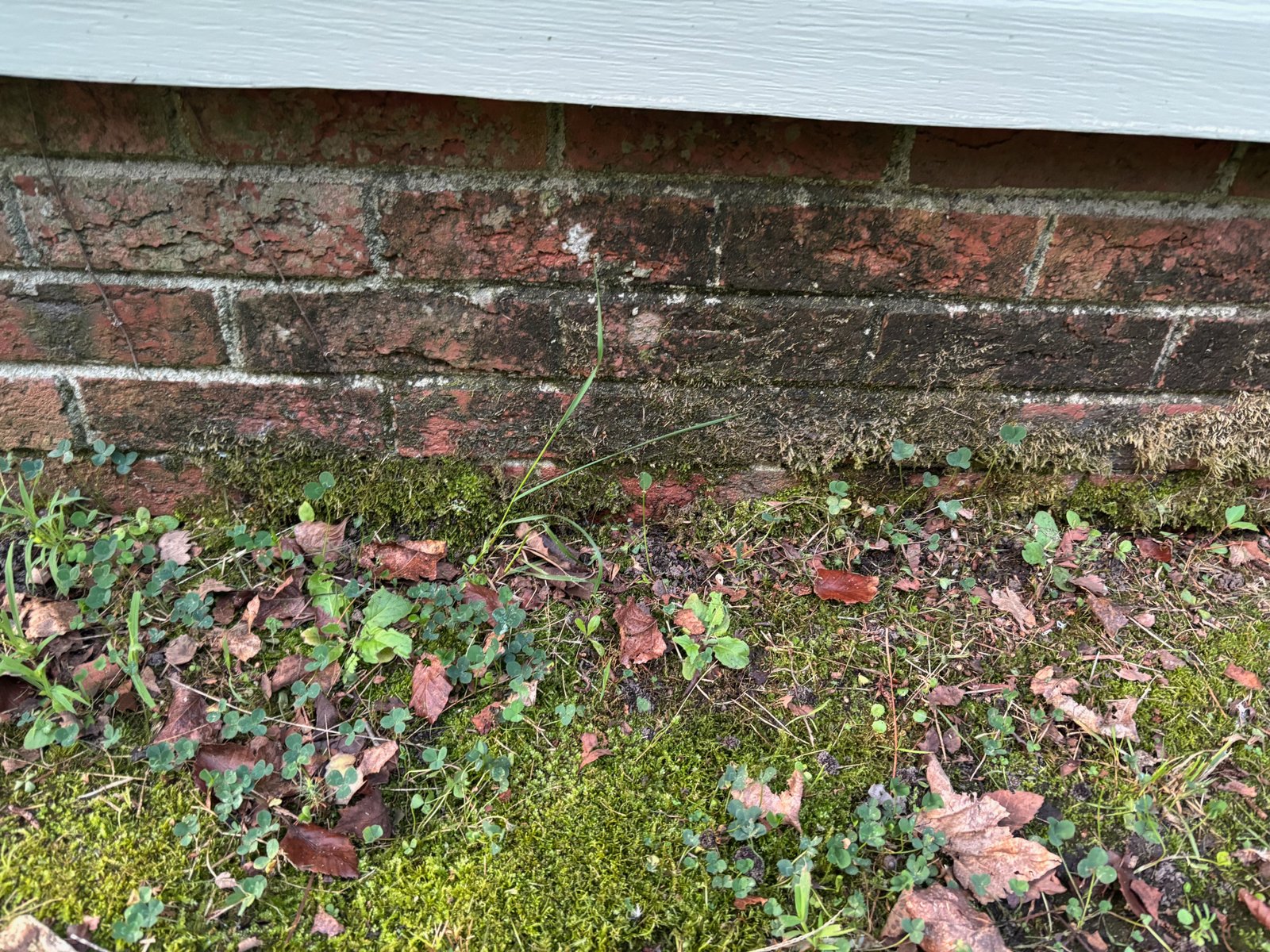
Stains on siding, brick, or foundation walls
Clean gutters may not be glamorous, but they’re essential for keeping your home safe and dry. By staying on top of gutter maintenance, you’ll prevent water damage, foundation issues, and pest problems.